


Essential Guidance for Property Sellers in Pennsylvania
Selling property in Catawissa presents unique opportunities and challenges that directly impact your final sale price. The appraisal process stands as one of the most critical steps in any real estate transaction, yet many property owners inadvertently sabotage their own financial outcomes through preventable errors.
Whether you are selling a family estate, settling a divorce, or preparing a property for the market, understanding common appraisal pitfalls can mean the difference between leaving money on the table and achieving your property’s full market value. Pennsylvania’s real estate landscape requires specific knowledge of local market conditions, seasonal variations, and regulatory requirements that affect property valuations.
The stakes are particularly high in rural markets like Columbia County, where property values can fluctuate based on factors ranging from proximity to major highways to seasonal tourism patterns. An appraisal that fails to capture your property’s true worth can derail negotiations, delay closings, and cost you thousands of dollars in lost equity.
Mistake One: Neglecting Property Preparation
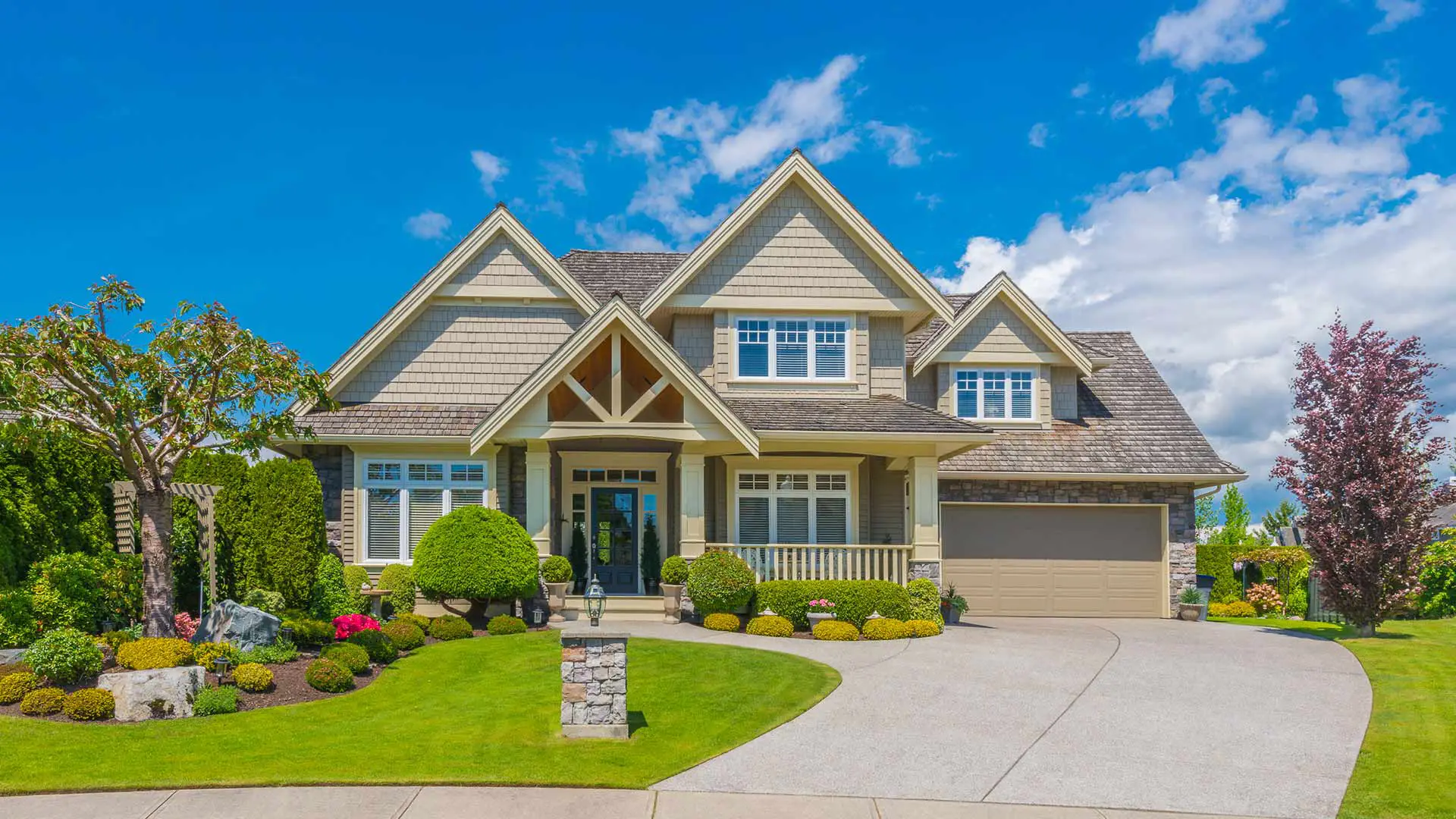
First impressions matter tremendously during the appraisal process. When an appraiser arrives to evaluate your property, they form immediate judgments based on visible conditions. Cluttered rooms, deferred maintenance, overgrown landscaping, and obvious repair needs all signal potential problems that can negatively influence the final valuation.
Many sellers mistakenly believe that appraisers look past cosmetic issues to focus solely on structural elements and square footage. While professional appraisers certainly evaluate technical aspects, the overall condition and presentation of a property directly affect comparable sales analysis and final value determinations.
In Columbia County, where properties often feature larger lots and older construction, maintenance visibility becomes even more important. Appraisers notice peeling paint, damaged siding, leaking gutters, and unkempt yards. These visible issues suggest deeper problems and create downward pressure on valuations, even when the underlying structure remains sound.
Before scheduling an appraisal, invest time in basic property preparation. Clean thoroughly, make minor repairs, address obvious maintenance issues, and ensure the property presents well. Trim overgrown vegetation, repair broken fixtures, replace burnt-out light bulbs, and remove personal clutter. These simple steps cost little but can significantly impact how appraisers perceive and value your property.
Consider the seasonal challenges specific to Pennsylvania properties. Winter appraisals require clear walkways and accessible exteriors. Spring evaluations benefit from addressing drainage issues that become apparent during thaw periods. Taking these seasonal factors into account demonstrates property stewardship and helps appraisers see your property at its best.
Mistake Two: Withholding Important Information
Appraisers rely on available information to determine property values, but they cannot know everything about your property’s history without your input. Major improvements, system upgrades, renovations, and additions all contribute to property value, yet these enhancements often go unrecognized when sellers fail to document and communicate them effectively.
Perhaps you replaced the roof five years ago, upgraded the electrical system, installed a new HVAC unit, or finished the basement. These substantial investments add real value to your property, but appraisers cannot assume improvements exist without verification. They need documentation, receipts, permits, and detailed information about work performed.
In rural Pennsylvania markets, where properties may lack recent comparable sales, documented improvements become even more critical to supporting higher valuations. A new septic system, updated well pump, or energy-efficient windows represent significant value additions that distinguish your property from similar homes in the area.
Create a detailed list of all improvements made during your ownership. Include dates, costs, contractor information, and copies of permits where applicable. Provide this documentation to the appraiser at the beginning of the evaluation process. This proactive approach ensures that value-adding features receive proper consideration in the final appraisal.
Do not assume that appraisers will discover or properly value hidden improvements. Speak up about insulation upgrades, foundation repairs, drainage solutions, and other less visible enhancements. Your willingness to provide thorough information demonstrates transparency and helps appraisers develop accurate valuations that reflect your property’s true condition and market worth.
Mistake Three: Choosing Inappropriate Comparable Properties
One of the most common mistakes property sellers make involves suggesting inappropriate comparable properties to appraisers. While you may have strong opinions about which recent sales best represent your property’s value, poorly chosen comparables can actually undermine your appraisal rather than support it.
Appraisers follow strict guidelines when selecting comparable properties. They consider location, size, age, condition, features, and recent sale dates. Suggesting comparables that fail to meet these criteria signals a lack of understanding about the appraisal process and may damage your credibility with the appraiser.
In Catawissa and surrounding Columbia County areas, property diversity complicates comparable selection. A home on a quarter-acre lot near town center differs significantly from a similar-sized home on five acres in a rural setting. Sale prices from Berwick may not translate directly to properties in Lightstreet or Mifflinville, even when basic features appear similar.
Avoid cherry-picking the highest recent sales in your area without considering whether those properties truly compare to yours. Appraisers recognize when sellers focus exclusively on premium sales while ignoring more appropriate but less favorable comparables. This selective approach raises red flags and can actually reduce appraiser receptiveness to legitimate value arguments.
If you want to suggest comparables, focus on properties that genuinely match yours in meaningful ways. Consider lot size, square footage, number of bedrooms and bathrooms, garage or outbuilding presence, condition, and proximity. Recent sales carry more weight than older transactions, and arms-length sales between unrelated parties provide the most reliable value indicators.
Better yet, work with qualified professionals who understand local market dynamics and appraisal standards. Professional appraisers bring objectivity, market knowledge, and regulatory compliance that protect both buyers and sellers throughout the transaction process. Their independent analysis provides the foundation for fair and defensible property valuations.
Mistake Four: Interfering During the Appraisal
While your intentions may be good, excessive involvement during the appraisal inspection can backfire badly. Appraisers need space and time to conduct thorough evaluations. Following them from room to room, offering constant commentary, or attempting to influence their observations creates discomfort and professional complications that rarely work in your favor.
Appraisers must maintain independence and objectivity throughout the evaluation process. Industry standards and lender requirements mandate unbiased assessments free from undue influence. When property owners hover, pressure, or continuously interject opinions, appraisers may feel their independence is being compromised, which can lead to more conservative valuations or additional skepticism about property claims.
Many sellers believe that pointing out every positive feature will increase the appraisal value. In reality, appraisers are trained professionals who know what to look for and how to evaluate it. They notice quality construction, functional layouts, desirable features, and value-adding amenities without constant prompting. Your running commentary more likely distracts than helps.
Make yourself available to answer specific questions, provide requested documentation, and grant access to all areas of the property. Beyond that, give the appraiser space to work independently. If you have important information to share, prepare it in writing and present it at the beginning of the inspection rather than interrupting throughout the process.
Consider waiting in a separate area of the home or leaving the property entirely during the inspection. This approach demonstrates confidence in your property and respect for the appraiser’s professional process. It also eliminates the awkwardness and potential conflicts that can arise from constant seller presence during evaluations.
Trust that qualified appraisers will conduct thorough inspections and recognize value when they see it. Their training, experience, and professional standards guide them toward accurate valuations that reflect true market conditions and property characteristics. Your job is to prepare the property well and provide accurate information, not to supervise the appraisal process.
